Ethical Finance as a Rebrand of Islamic Banking for Global Corporate Markets

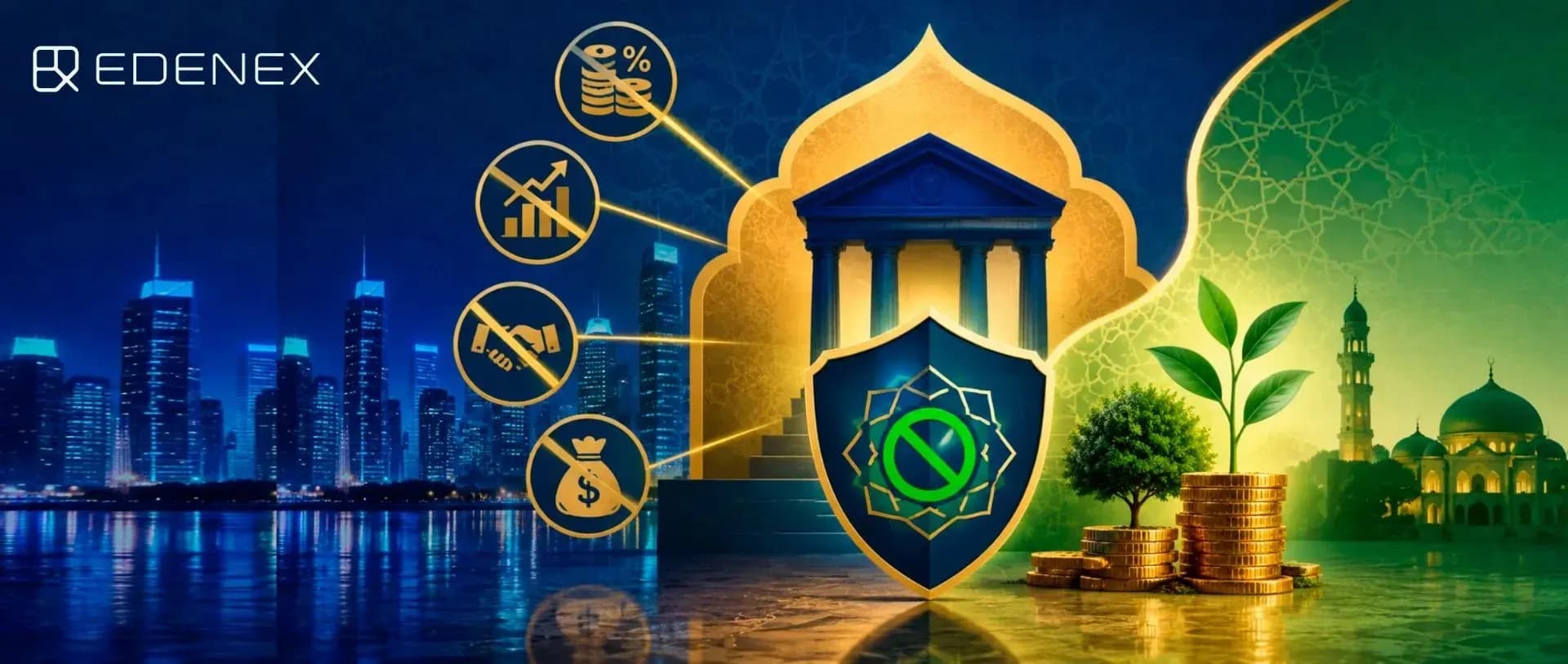
How can a CFO structure transactions without interest-based lending and gain access to Middle Eastern capital? We examine the mechanics and compliance framework.

government budget
As progress stalls on a broader crypto regulation bill, the Blockchain Association is urging Congress to pass legislation to resolve uncertainty around taxes for digital assets. On Thursday, the crypto industry group, which represents over 100 firms, said current tax policy needs to be updated and…

business information
I maintain a Buy rating on META, targeting a 28% upside to ~$890, as META trades at a 1.18x PEG versus a 5-year average of 1.51x. I'm keeping my Buy rating on Meta Platforms, Inc. (META) shares after Q3 results. This is the first earnings coverage article after my initial coverage article published…

How can a CFO structure transactions without interest-based lending and gain access to Middle Eastern capital? We examine the mechanics and compliance framework.

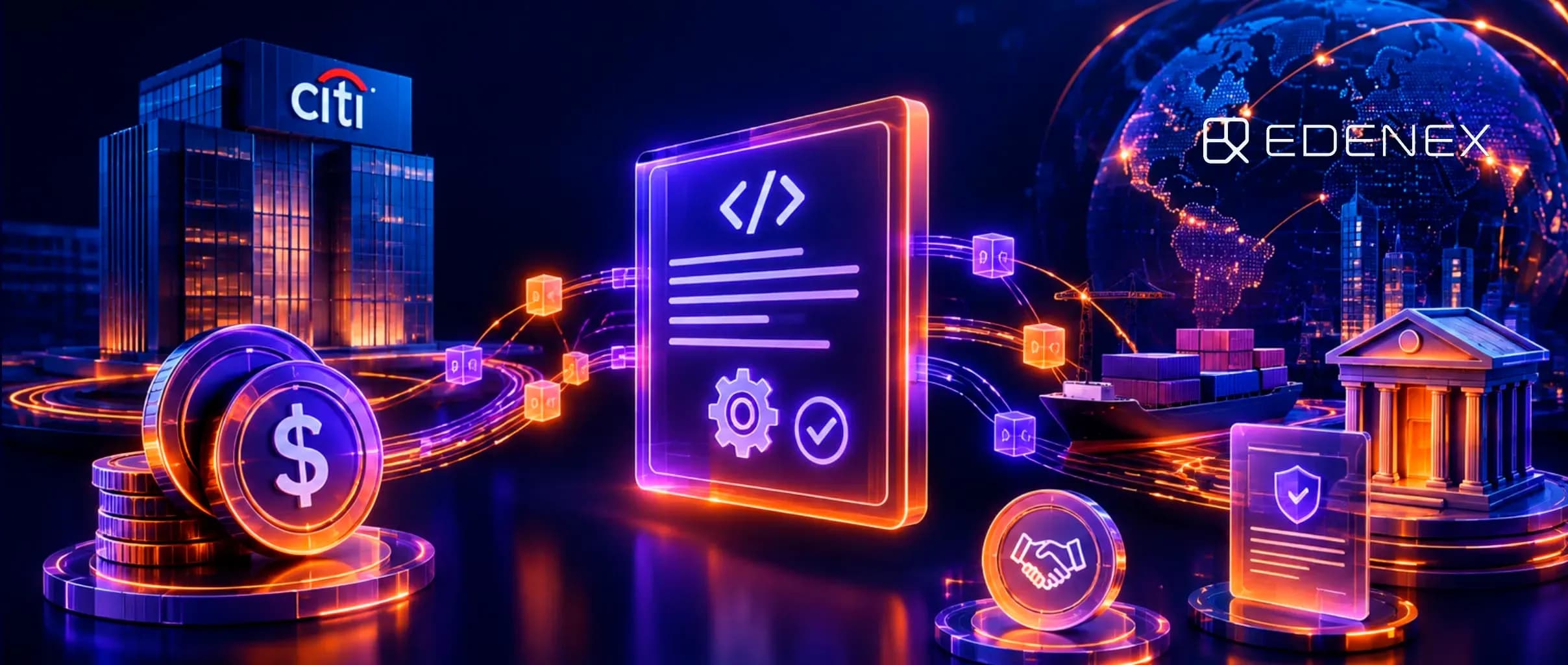
From isolated private blockchains to a shared settlement environment — how the BIS Unified Ledger is reshaping capital markets with atomic T+0 settlement, programmable compliance, and cross-border interoperability.

2026 Became a Turning Point: $321 Billion in Tokenized Assets, $16 Billion in U.S. Treasury Bonds. RWA Have Moved from Pilot Mode to Industrial Scale. BlackRock, Goldman Sachs, J.P. Morgan, and Nasdaq Are Already Conducting Real Transactions via DTCC. What Does This Mean for Corporate Treasuries and Trade Finance? An Analysis of Market Structure, Barriers, and Outlook Through 2035.

The speed of a factoring transaction runs straight into a wall of regulatory risk. We break down how new legislation and judicial precedents from 2025–2026 are reshaping the rules of the game.

Islamic trade finance is not a niche — it's a fast-growing alternative to conventional lending. Discover how Murabaha, Ijarah, and partnership models work in practice, and why your business might need them to access Gulf capital markets.

Three criteria: legal soundness, regulatory fit, economics. Edenex POV

An overview of RWA and market developments in the US, Hong Kong, UAE, and the EU.

Tightening bank lending standards and a growing gap between accounting profit and real cash flow are pushing even profitable companies toward cash crises. This article examines how factoring in 2026 has evolved from a pure financing tool into an early-warning diagnostic system — using payment discipline data, non-recourse structures, and reverse factoring (SCF) to detect stress 3-6 months ahead, clean up balance sheets without adding debt, and protect supply chains.

By 2026, a single ransomware attack on a port can halt global cargo movement, freeze letters of credit, and trigger exponential losses. This analysis examines the anatomy of logistics infrastructure vulnerability—from IT/OT convergence to SQL cluster single points of failure—and demonstrates how DLT, electronic bills of lading, and smart contracts with independent oracles restructure financial flows to keep settlements running even amid operational chaos.

The RWA perpetuals market has surpassed the entire previous year's volume in a single quarter — but what actually stands behind these instruments, who bears the risk, and why institutional capital is still not rushing in.

History of TradFi Perpetuals on Crypto Exchanges: Precedents, Problems, and Solutions
Learn more >
Tokenized Deposits and Programmable Payments: Smart Contracts for Guarantees and Letters of Credit
Learn more >
Engineering Export: Forfaiting and Export Credit Agency Cover for Long Deferred Payments
Learn more >A marketplace and system of record that connects capital with documented export shipments. Edenex operates the platform and keeps the record; it holds no client funds and does not itself provide custody, payment, exchange or investment services. Regulated activities are performed by licensed firms under their own permissions.
A subordinated position in the financing of one identified export shipment – goods already sold to a named overseas importer, not a blind pool. You do not own the goods; you hold a position in that deal and are repaid from its proceeds.
Cover, collateral and the payout order are set on the deal before capital moves. Where a policy attaches, the claim runs first; recovery and collection follow; whatever is received is then paid out in the agreed order, senior before junior. Junior is priced for that position. Capital is at risk and no outcome is guaranteed.
Outside the operator, by design. The platform is built so that client funds sit with licensed custodians, escrow agents and authorised payment firms in segregated accounts under their own permissions, while Edenex issues instructions and keeps the record. No part of the design brings client money to Edenex. Some of these arrangements are still being put in place.
No. Edenex does not execute payments. Cross-border and invoice settlement is designed to run through licensed payment providers on their own permissions, inside the deal timeline.
Yes. Exporters go through KYB and document checks; financing is arranged per deal against confirmed orders and invoices. Acceptance is not automatic.
Each role onboards separately: KYB, a permissions check and a role agreement. Lenders fund the senior tranche, insurers underwrite cover where a policy attaches, and payment, logistics and customs partners act inside the deal timeline under their own licences. See the Partners page for models and integration steps, or write to [email protected].