

Edenex
Inventory Financing: Rethinking Corporate Warehouse Capital Management Strategies in 2026

Inventory Financing: Rethinking Corporate Warehouse Capital Management Strategies in 2026

avatar
by Serge Abisher

Geopolitical shocks and supply chain disruptions have forced businesses to abandon Just-in-Time for Just-in-Case, inflating corporate balance sheets to unprecedented levels. By 2026, idle warehouse stock has become a drag on ROA and working capital. But new technologies—IoT monitoring, RWA tokenization, and off-balance-sheet financing—are turning stored goods into instantly liquidable assets. This is not logistics anymore; it is strategic treasury management.

Read more >
Integration of Stablecoins into International Settlements: How to Accelerate Payments and Reduce Costs

Integration of Stablecoins into International Settlements: How to Accelerate Payments and Reduce Costs

avatar
by Serge Abisher

Stablecoins are no longer just a bridge between crypto and fiat — they are a full-fledged alternative financial infrastructure for B2B settlements. In 2025, real stablecoin payments reached $390 billion, with 58% in B2B. This material breaks down asset selection (USDT vs. USDC), blockchain networks (Tron, Ethereum, Solana, Polygon), compliance, treasury integration, and answers the most pressing legal questions.

Read more >

You will be interested

Core Essentials about Edenex

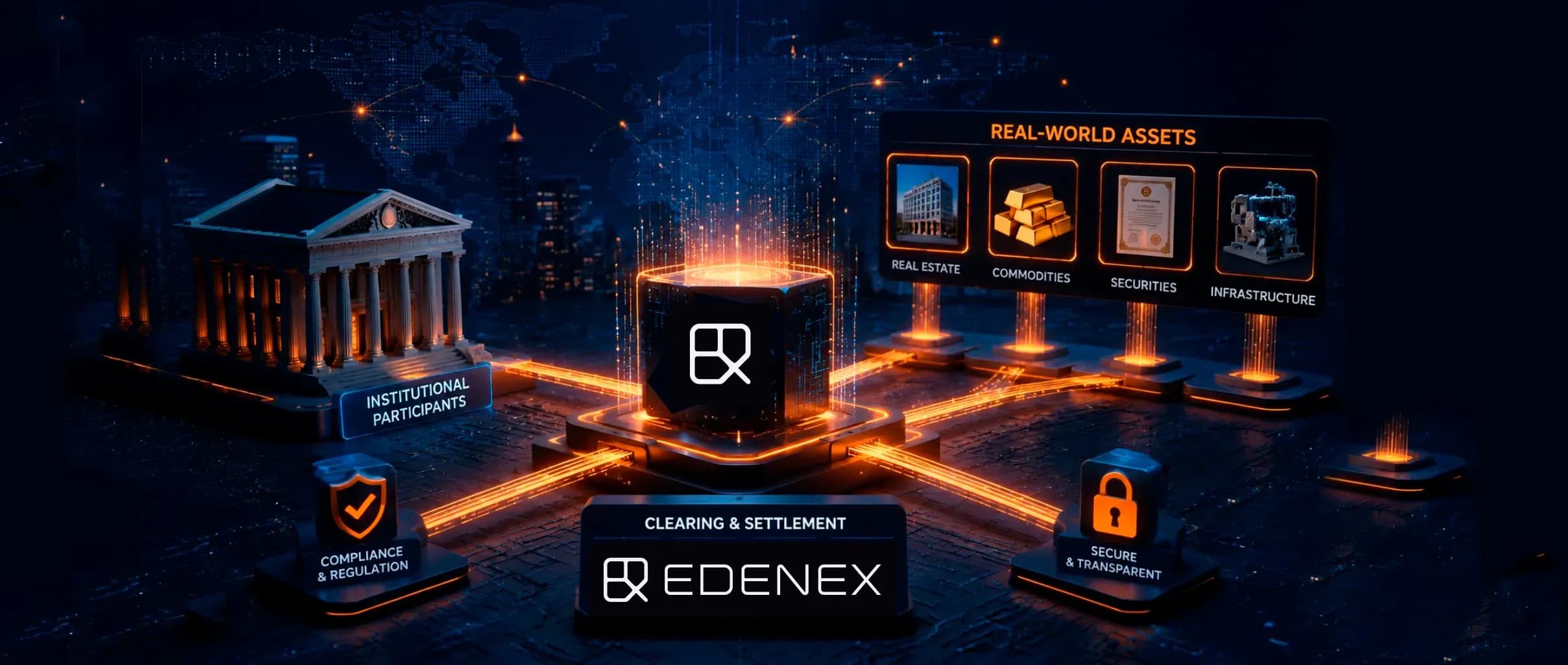
A marketplace and system of record that connects capital with documented export shipments. Edenex operates the platform and keeps the record; it holds no client funds and does not itself provide custody, payment, exchange or investment services. Regulated activities are performed by licensed firms under their own permissions.

A subordinated position in the financing of one identified export shipment – goods already sold to a named overseas importer, not a blind pool. You do not own the goods; you hold a position in that deal and are repaid from its proceeds.

Cover, collateral and the payout order are set on the deal before capital moves. Where a policy attaches, the claim runs first; recovery and collection follow; whatever is received is then paid out in the agreed order, senior before junior. Junior is priced for that position. Capital is at risk and no outcome is guaranteed.

Outside the operator, by design. The platform is built so that client funds sit with licensed custodians, escrow agents and authorised payment firms in segregated accounts under their own permissions, while Edenex issues instructions and keeps the record. No part of the design brings client money to Edenex. Some of these arrangements are still being put in place.

No. Edenex does not execute payments. Cross-border and invoice settlement is designed to run through licensed payment providers on their own permissions, inside the deal timeline.

Yes. Exporters go through KYB and document checks; financing is arranged per deal against confirmed orders and invoices. Acceptance is not automatic.

Each role onboards separately: KYB, a permissions check and a role agreement. Lenders fund the senior tranche, insurers underwrite cover where a policy attaches, and payment, logistics and customs partners act inside the deal timeline under their own licences. See the Partners page for models and integration steps, or write to [email protected].