generated gpt
Evgeny Gozman: "Tokenization is not cryptocurrency, but a new way of working with liquidity"
Trade finance is undergoing a fundamental shift as banks retreat and tokenization emerges as a new liquidity channel. Evgeny Gozman of Edenex explains how converting invoices into digital assets can cut settlement times from months to hours — and why CFOs can no longer afford to ignore it.
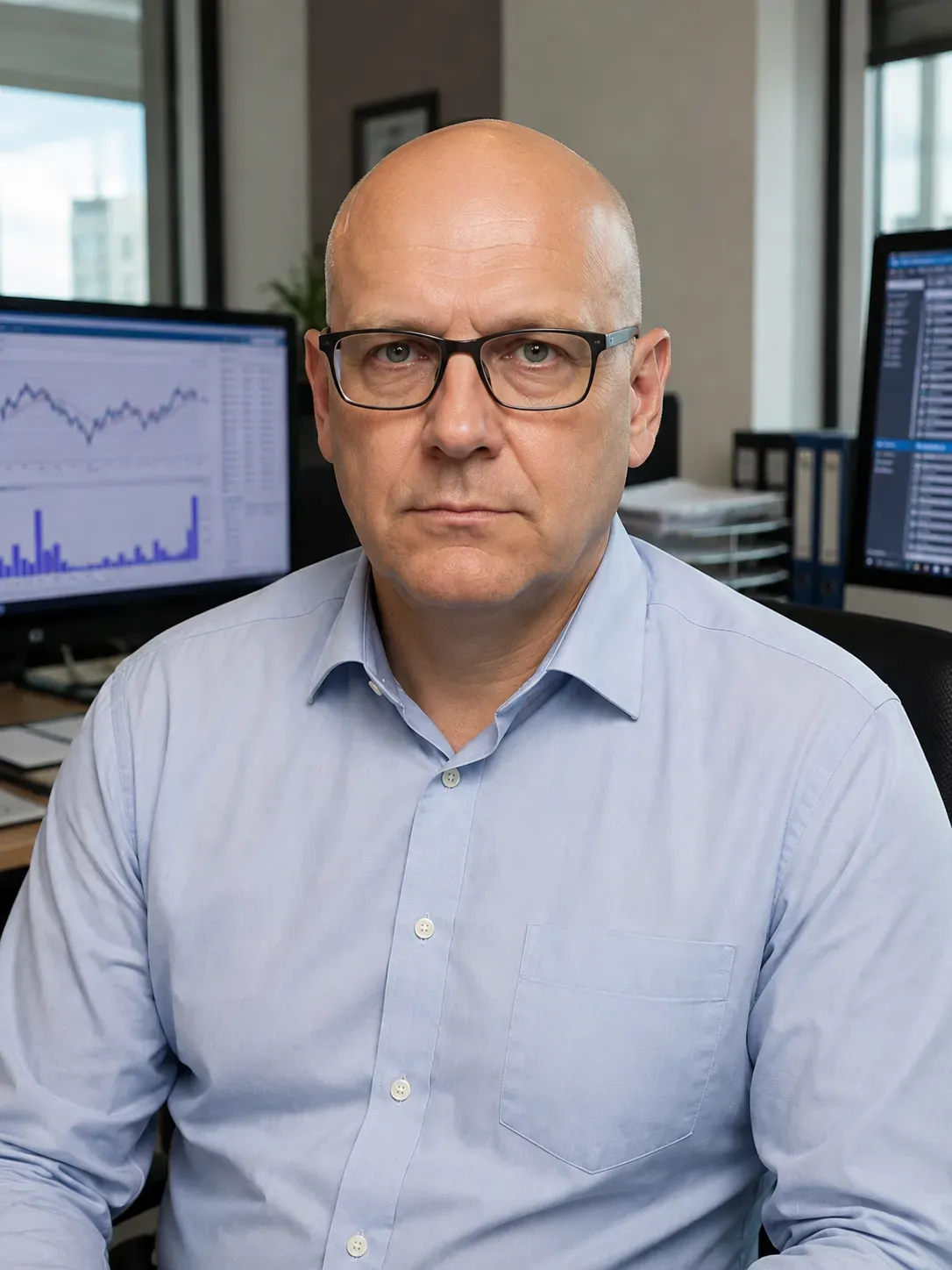
The problem of trade finance in 2026 has become one of the most acute for global business. Banks are tightening requirements, the liquidity deficit is growing, so exporters are looking for alternative ways to obtain working capital. We spoke with Evgeny Gozman, head of media relations at the digital platform Edenex, about how tokenization is changing this sphere and what awaits the market in the coming years.
— Evgeny, what changes in trade finance are most noticeable right now?
— At first glance, it seems that the financial world continues to work by the old rules. But in reality, the industry is undergoing a fundamental shift.
The main change I see is the transition from centralized banking processes to distributed models of trade finance. Traditional banks have been consistently reducing their presence in it for several years. According to the Asian Development Bank, the global liquidity deficit for export-import operations has reached $2.5 trillion — more than 10% of all world trade.
At the same time, the volume of the global trade finance market itself is estimated at $4.5 trillion per year. That is, the growing deficit is superimposed on a huge market. Who will take the place of banks if they leave this segment? Most likely, technology platforms that use asset tokenization to attract capital directly from investors.
— Can we say that tokenization is simply a fashionable term for designating the same lending?
— No, it is a fundamentally different model. In classical lending, the bank provides money from its own funds, and the borrower returns it with interest. Tokenization is not a loan. It is the transformation of a claim right under a contract or invoice into a digital asset that can be sold to an investor.
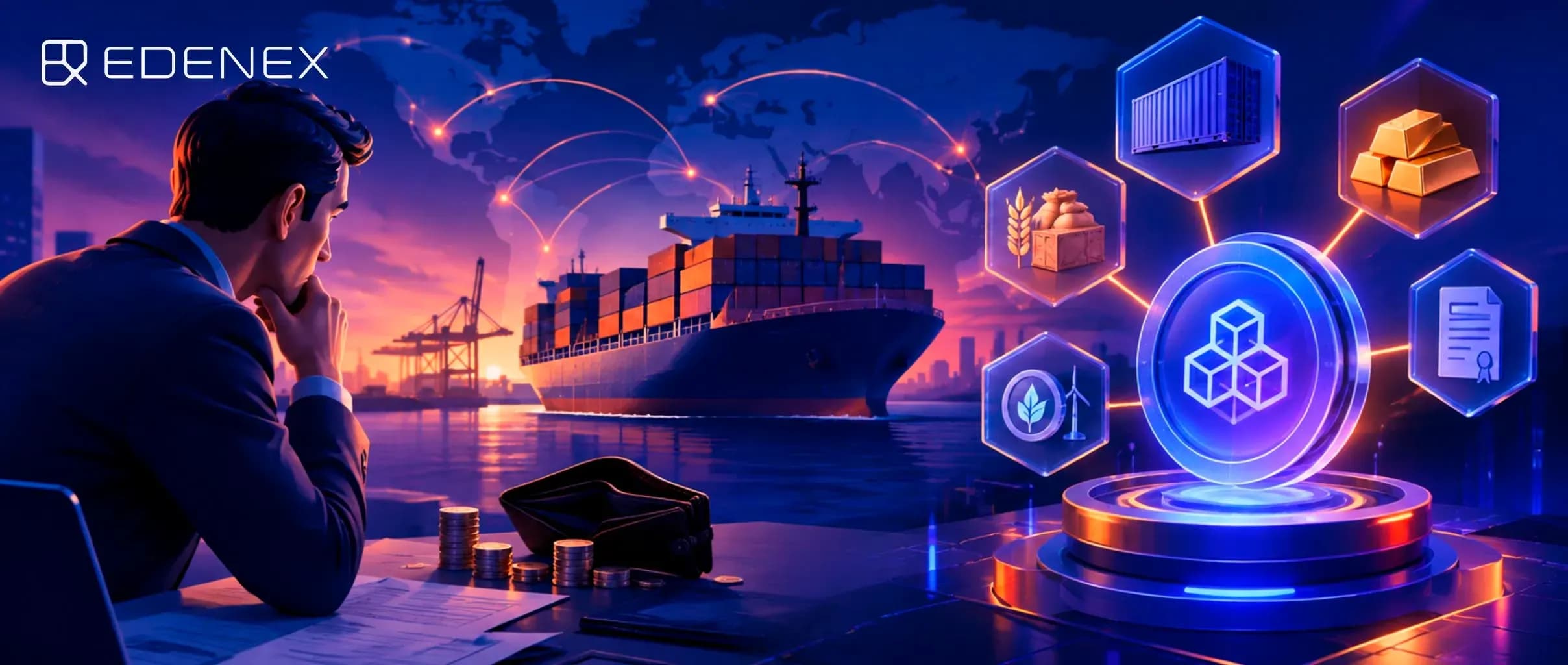
The mechanics look like this: the exporter ships the goods and issues an invoice to the buyer. Then, instead of waiting 90-120 days for payment, it tokenizes its claim right.
Investors see a transparent chain: contract, shipment, insurance, delivery confirmation. They buy this token and provide liquidity. The exporter receives money within 24-48 hours, rather than in a few months.
— The investors who buy such tokens — who are they?
— In most cases, they are not retail investors, but institutional investors — Private Credit funds, insurance companies, family offices. They are looking for alternative asset classes with fixed income and a clear term, secured by real assets.
In the future, in my view, even more players will enter this market. For now, many are hesitating because they see barriers: regulatory uncertainty and insufficient liquidity. But they are gradually being removed.
The largest players are already testing tokenized assets in real transactions. These are giants such as BlackRock, Goldman Sachs and J.P. Morgan. The market is moving from experiments and pilots to large-scale industrial use.
— The main question that worries any investor: how is their money protected?
— Investor protection is built on several levels. The first is the legal isolation of the asset. The claim right under the contract is transferred to a separate legal entity — an SPV (Special Purpose Vehicle). The asset is legally separated from the exporter's balance sheet. If the latter goes bankrupt, its creditors cannot make claims against this asset.
The second level is insurance. Cargoes and the contracts themselves are insured by professional insurance companies. If the buyer does not pay for the delivery, the insurance covers the investor's losses.
The third level is transparency. Tokenization systems use real-time monitoring: GPS trackers on cargoes, data on customs clearance. If something does not go according to plan, the smart contract automatically blocks payment until the circumstances are clarified. The investor sees the status of the transaction in real time.
In addition, all participants undergo multi-level verification — standard AML and KYC procedures. And the legal structure of transactions is often certified according to ADGM (Abu Dhabi Global Market) standards — one of the strictest regulatory regimes in the world. This is not a "gray zone," but a fully documented and regulated structure.
— How large is the potential of this market?
— The potential is enormous. Forecasts from the largest consultants vary, but they all point in one direction. From $4 trillion by 2030 to $88 trillion by 2035. Growth is already underway today. For example, in the first quarter of 2026 alone, the volume of trading in tokenized gold on public blockchains amounted to $91 billion — more than for all of 2025.
— What would you say to a CFO who doubts the need for tokenization?
— Tokenization is not an alternative to bank financing, but an additional channel. Banks remain arrangers, guarantors and issuers. But an opportunity appears to finance those transactions that traditional banks cannot service quickly enough or at an acceptable cost.
It is also important that tokenization does not create additional debt burden on the company's balance sheet, because it is a sale of an asset, not a loan. For a financial director, this means that he can improve capital turnover indicators without increasing debt obligations.
Finally, it is a question of competitiveness. If your competitor can get money in 48 hours, and you wait two months for bank approval, you lose orders. In the modern world, the speed of decision-making is becoming as important a factor as the cost of capital. In 2026, companies that do not use alternative financing instruments risk ending up at the end of the list of suppliers.